

Protection, insulation, and design for high-level buildings
- What is laminated glass and why it is key in construction?
Laminated glass is an innovative solution made up of two or more glass panes bonded with an interlayer of PVB (polyvinyl butyral) or SentryGlas® (ionomer), which prevents the glass from shattering upon breakage. This ensures greater safety, as the sheet holds the fragments together, reducing the risk of injury or structural damage.
In addition to its impact resistance, laminated glass provides benefits such as acoustic insulation, UV protection, and greater energy efficiency — essential features for high-level architectural projects seeking safety and comfort.
- Applications of laminated glass in architecture
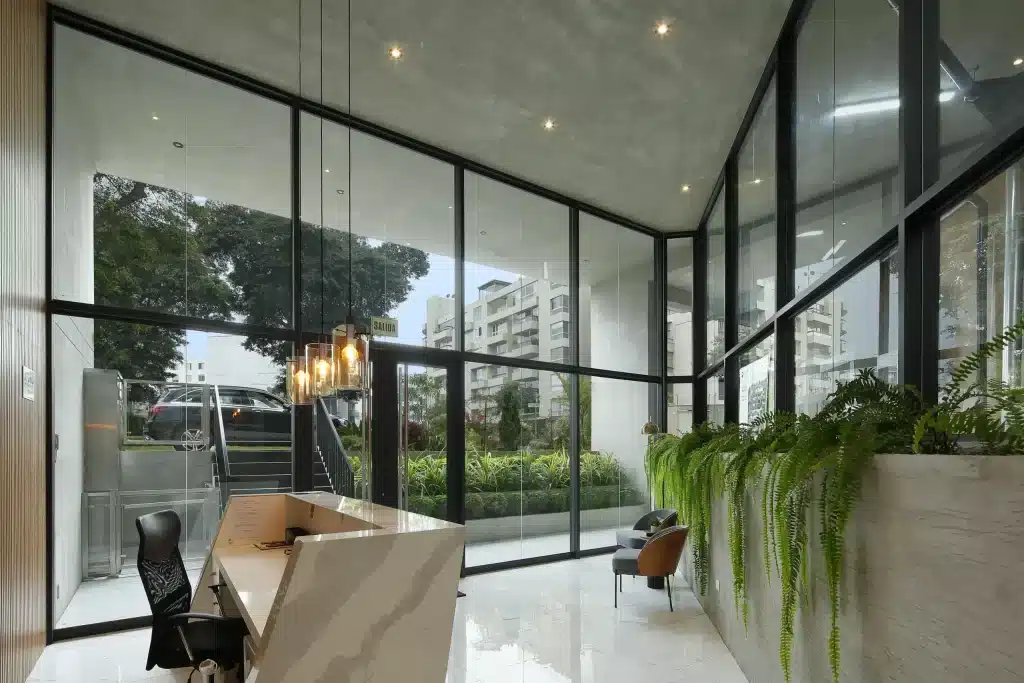
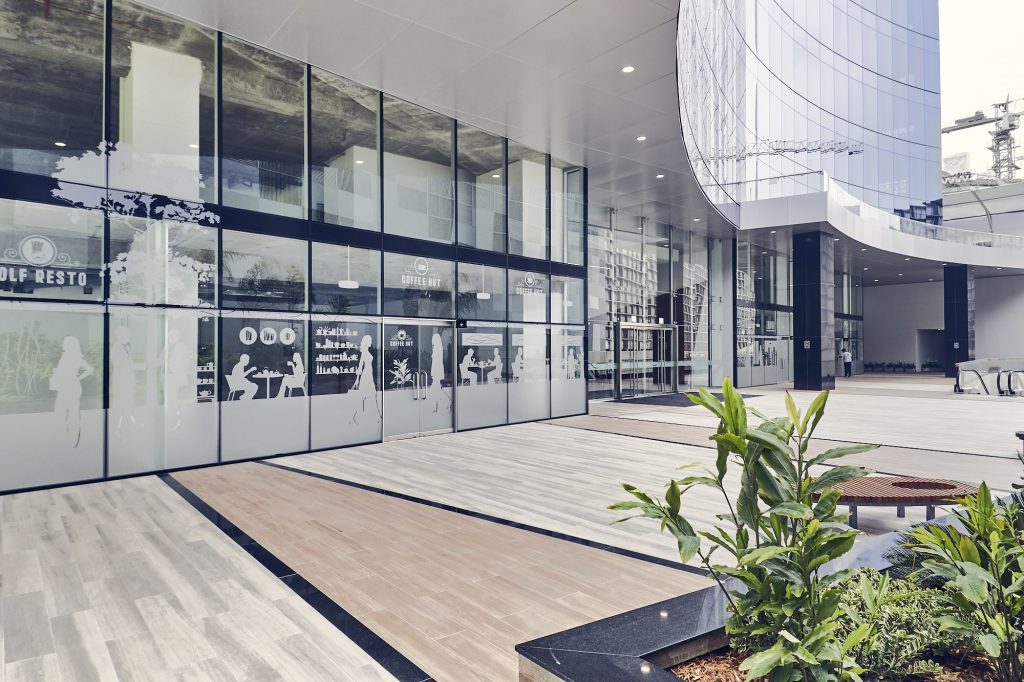
- Facades and curtain walls: Greater structural safety and thermal insulation without affecting transparency.
- Safety glass in homes, corporate, and commercial buildings: Protection against impacts, vandalism, and sound leaks in sliding doors, windows, and railings.
- Glass roofs and floors: High structural resistance in roofs, stairs, and pedestrian bridges with an innovative design.
- Acoustic insulation in urban spaces: Noise reduction in high-traffic spaces such as offices, hotels, clinics, and educational centers, etc.
- UV protection and energy efficiency: Minimizes heat entry and optimizes HVAC consumption in sustainable buildings.
Laminated glass must be calculated and validated with a structural calculation report, ensuring its composition meets structural, acoustic, and safety requirements.
- HPD Glassgroup: Specialists in laminated glass
At HPD Glassgroup, we develop high-performance laminated glass designed to offer safety, comfort, and energy efficiency in contemporary architecture.
Explore more about glass solutions in our related blog
The innovation of glass: Trends and applications in architecture
Tempered glass in architecture: Strength and safety in modern design
#VidrioLaminado #DiseñoEnVidrio #SeguridadEnVidrio #FachadasDeVidrio #AislamientoAcústico #HPDGlassgroup